
Did you know?
24% of municipal garbage is food waste (EPA)
Jefferson County generates around 48 million pounds over garbage every year! Roughly 11.5 million pounds of that garbage is food waste
Our garbage is sent via truck and rail to Roosevelt Landfill, 352 miles from Port Townsend
58% of the methane from landfills comes from food waste (EPA)
Landfills are considered the third largest source of human-caused methane emissions in the U.S., responsible for 14.3% of methane in 2021 (EPA)
The average family of four in the US spends $3,000 annually on food that does not get eaten
Benefits of using compost
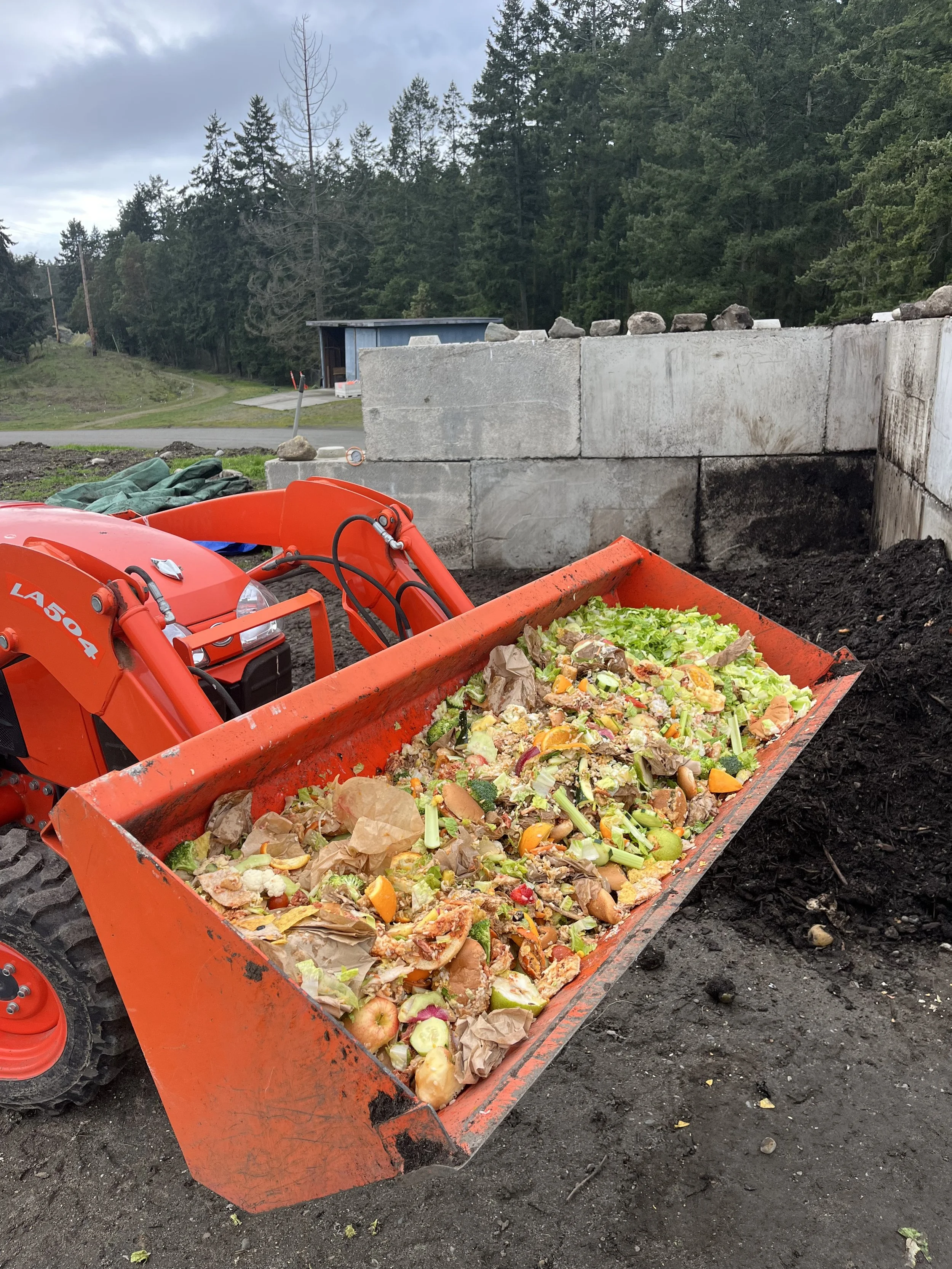
Compost improves soil structure, porosity, and moisture retention, fostering diverse microbial communities that support nutrient cycling and plant resilience. By enriching degraded soils, compost enables habitat restoration, facilitating native vegetation growth and erosion control. It reduces soil contamination by binding heavy metals and neutralizing pH imbalances, improving ecosystem recovery in postindustrial sites and urban areas. Enhanced soil biology further supports pollinators, soil fauna, and wildlife dependent on healthy vegetation, strengthening biodiversity.
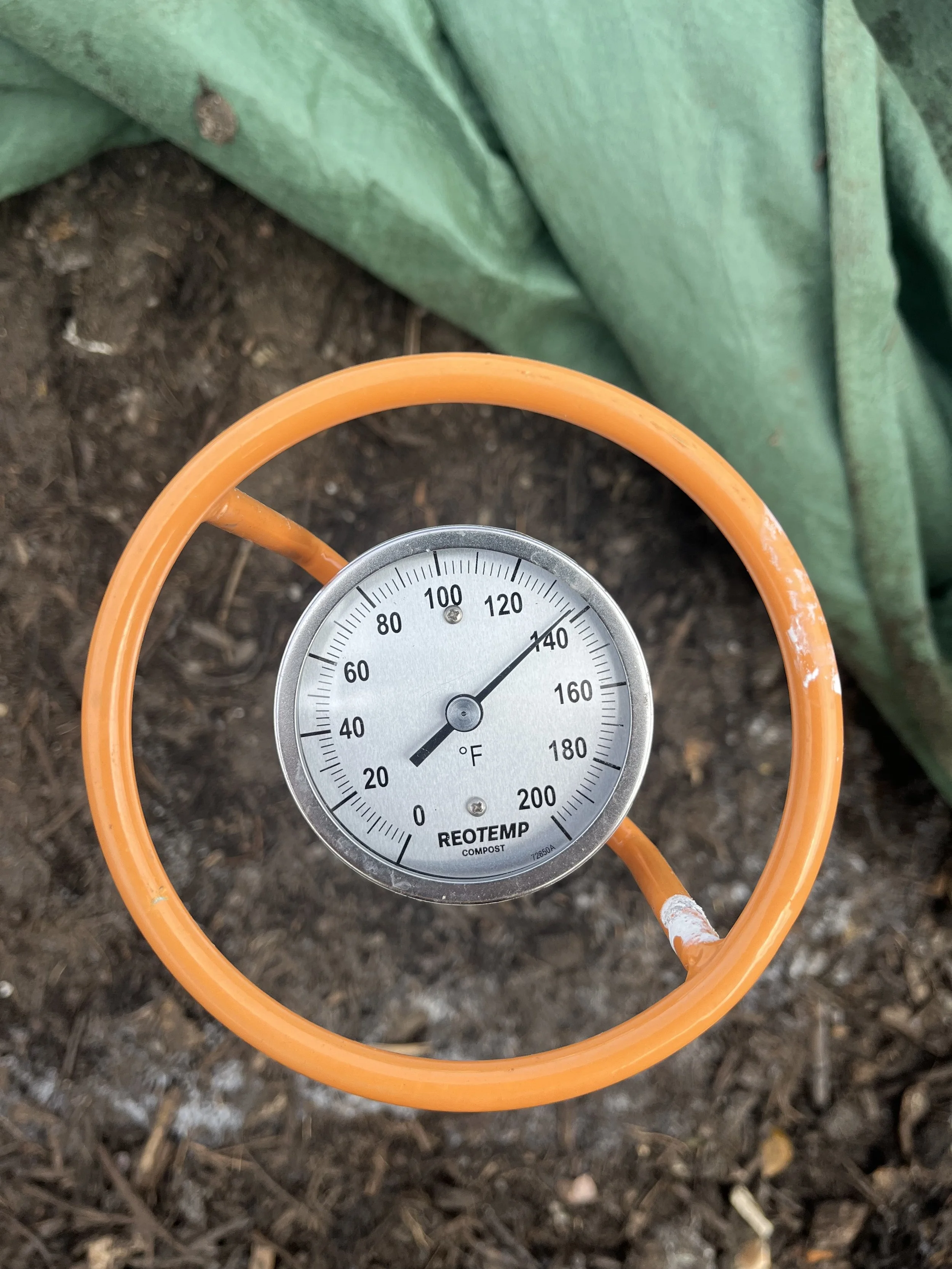
Active compost in the thermophilic stage. Microbes that break down organic matter release heat as byproduct of their metabolic process.
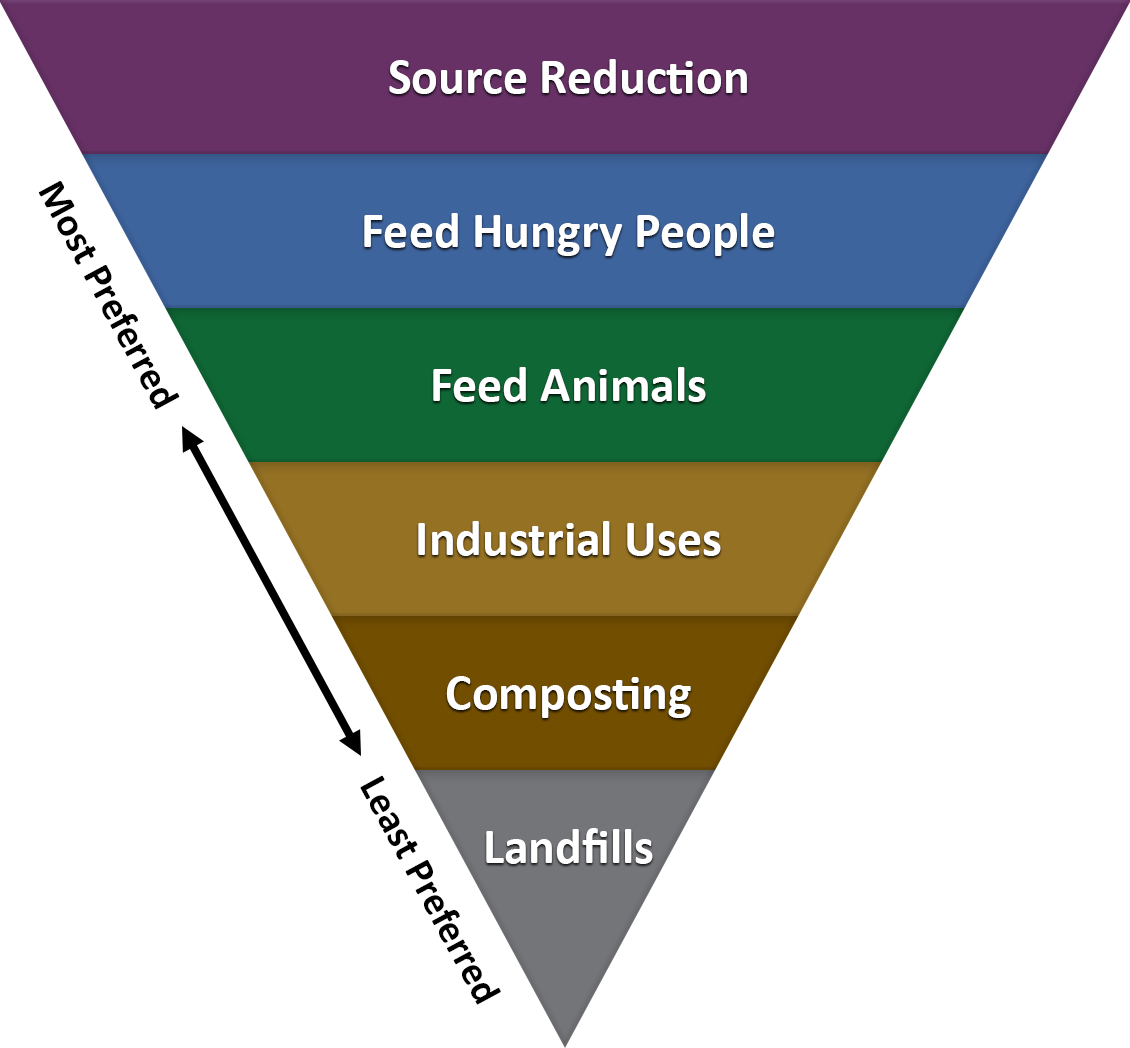
Solutions and resources for food waste reduction
Eat the food you purchase! Planning, prepping, and storing food properly can help your household waste less food
Donate food
Jefferson County Food Bank, https://www.jcfba.org/
Volunteer with the Port Townsend Gleaners
Feed Animals
Consider raising chickens or talking to a local farmer
Composting
Sign up for our services!
Set up a backyard composting bin