Food Waste Composting In Jefferson County, WA
Food Scrap Pick-up
Education
Compost sales
Our Mission
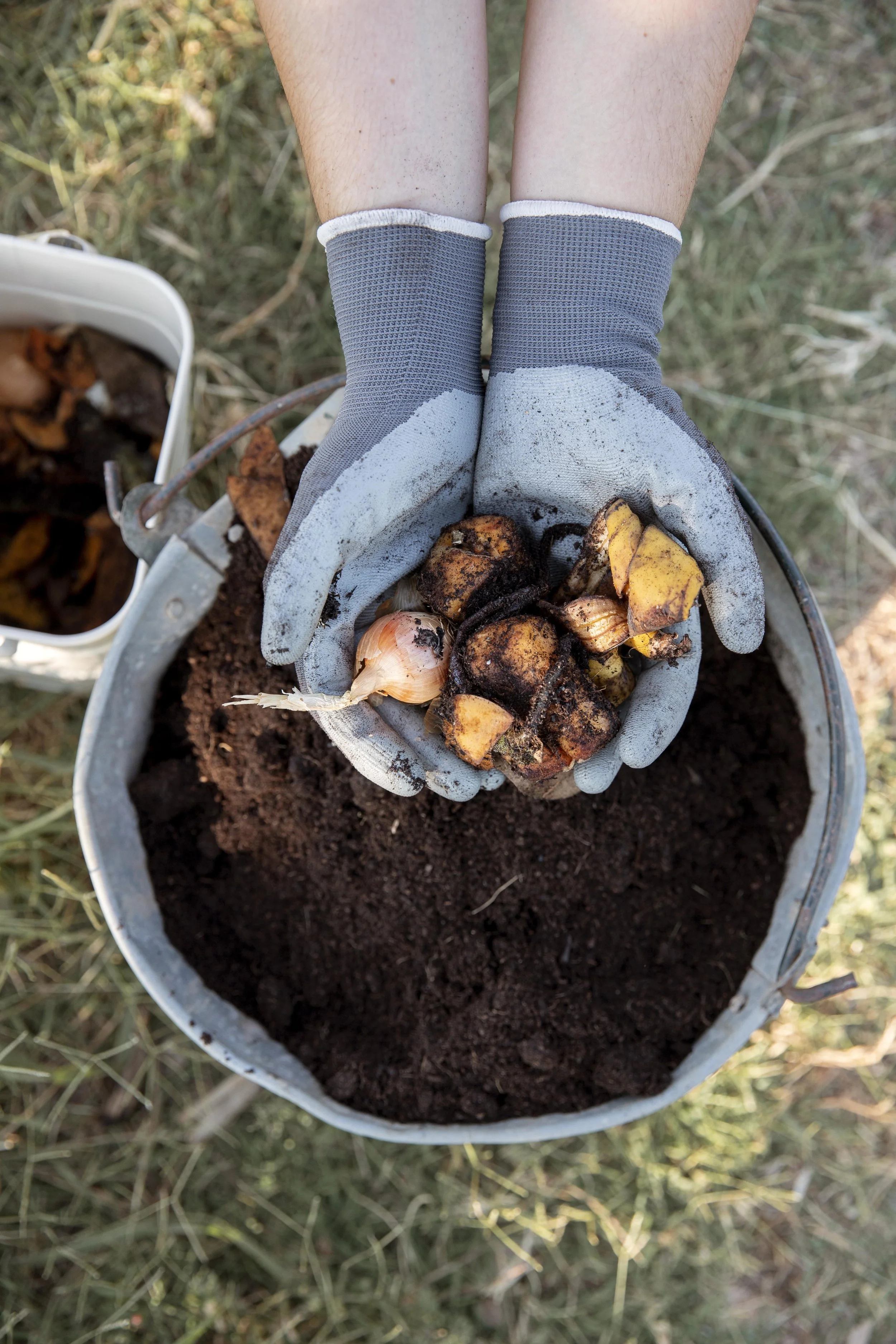
We are dedicated to capturing local food waste, educating about waste reduction, and creating compost that benefits our community and the Earth.
Who We Are
We’re curious decomposers, big fans of the little critters in the soil, and hopeful change-makers!
Return To Earth is a grassroots nonprofit based in Port Townsend, WA that is working to close the organic recycling loop and build community along the way.
We’re a project of StrongerTowns and work closely with our community partners such as Community Wellness Project, Jefferson County Public Works, and Chimacum School District.
Our Services
Food scrap drop-off service (beginning june 2026)
$14 per month
Drop off whenever you’d like at convenient locations throughout PT and surrounding areas
Compost give-backs every 6 months!
“Porchside” pick-up service (beginning fall 2026)
$20 per month for every other week, $28 per month for weekly pick-up
Pick-up from residential house
Compost give-backs every 6 months!
Education and Community Projects
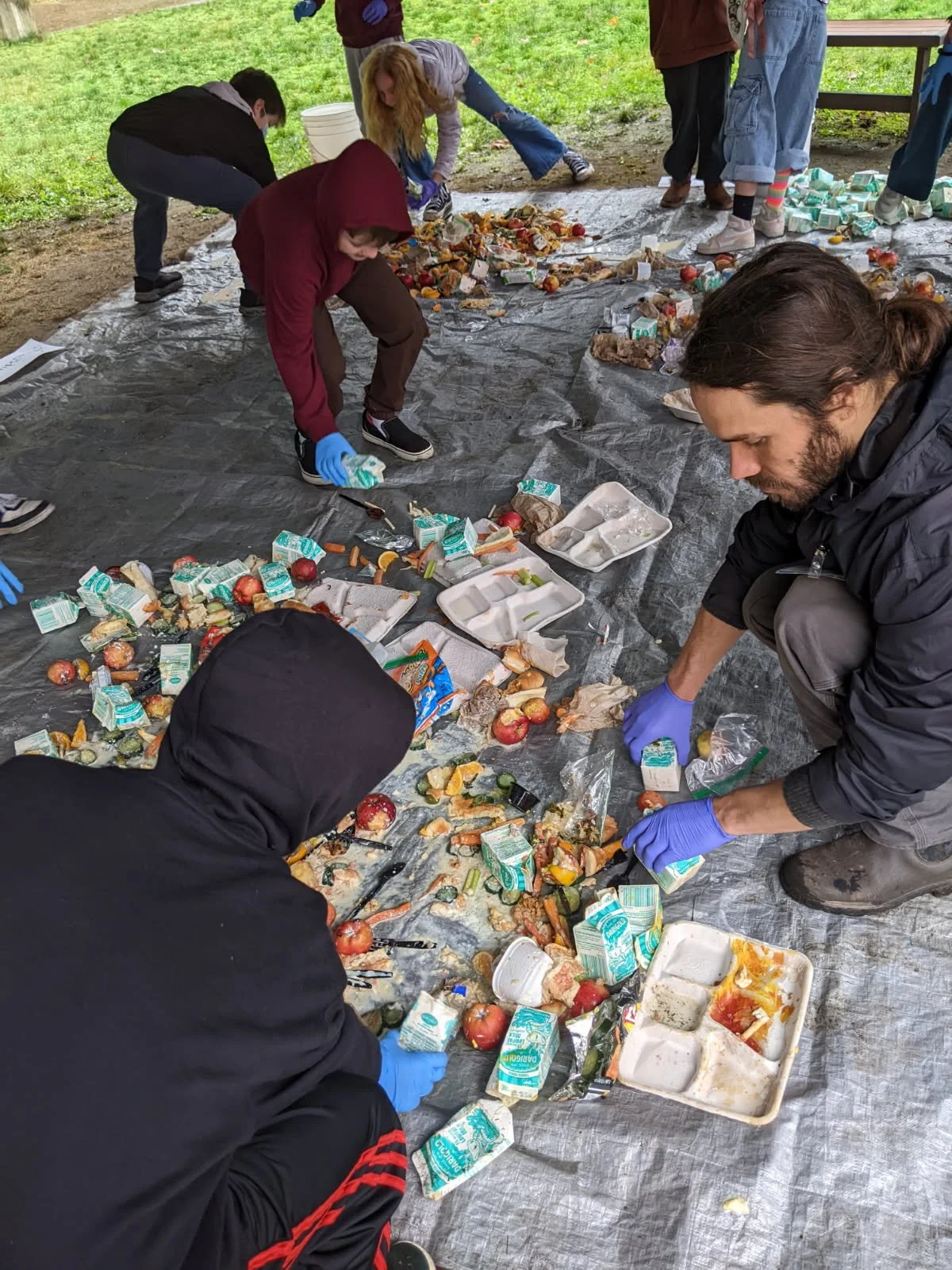
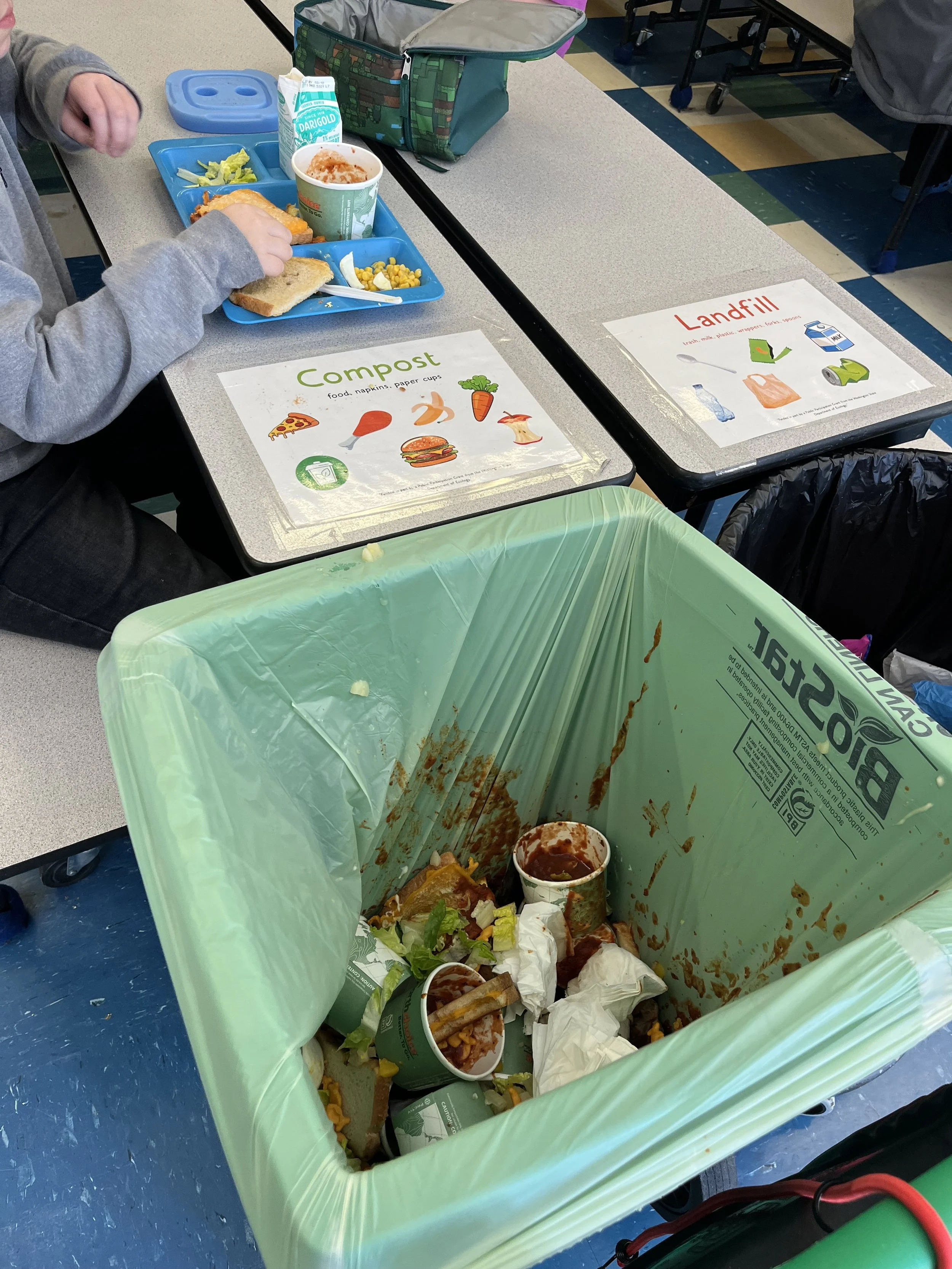
We started a compost program at the Chimacum Elementary School in partnership with Community Wellness Project and with funding From Washington State Department of Ecology.
The program includes in-class lessons about food waste and waste reduction as well as a pick-up service that diverts food waste from the cafeteria.
We’re collecting 75-100 pounds of food waste per day which goes to our facility for composting. The finished compost will be returned to the school garden where students will use it for food production.
Follow program updates in our blog and on Instagram!
Our Compost Facility
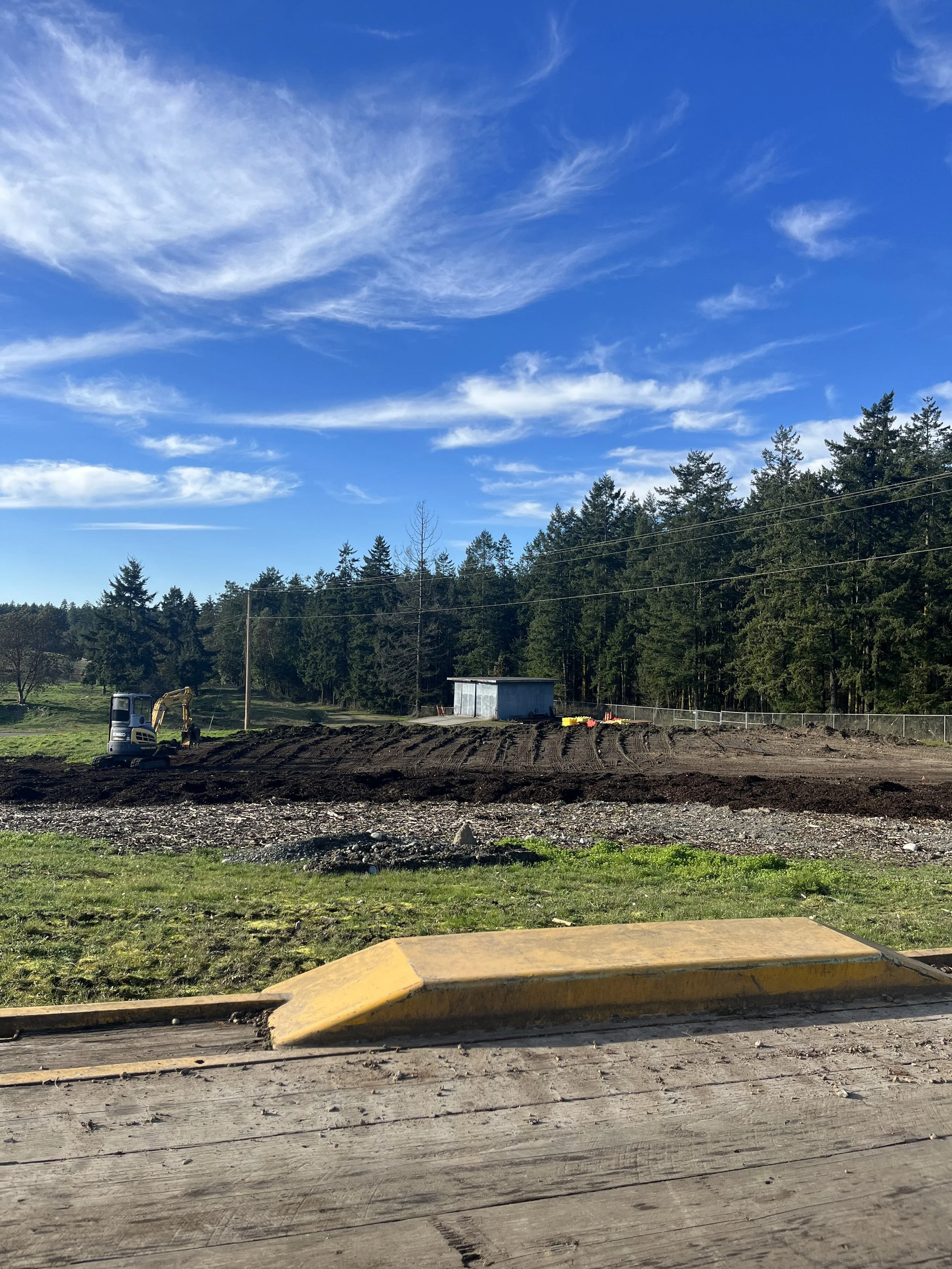
Currently under construction!
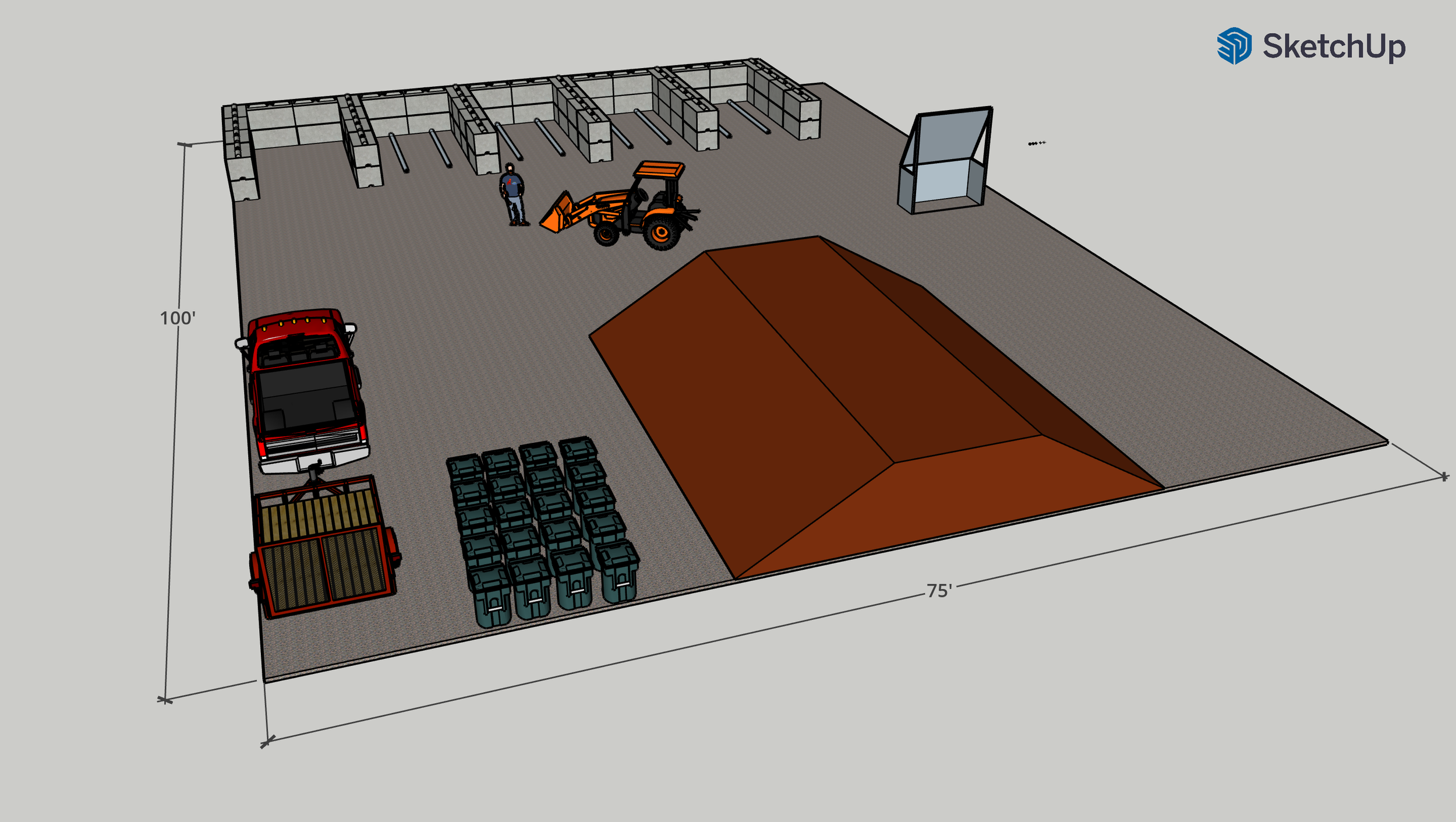
We’re building a small scale compost facility that can process the food scrap volume of about 400 households per week. We’ll be using a method called aerated static piles that can turn food scraps into high quality compost in about four months.
Aerated Static Pile (ASP) composting is an efficient and odor-controlled method that uses forced air (via blowers and pipes below piles) rather than physical turning to maintain aerobic conditions.
This facility, with its limited capacity, will be testing the feasibility of a larger facility that could meet the need of the entire area.